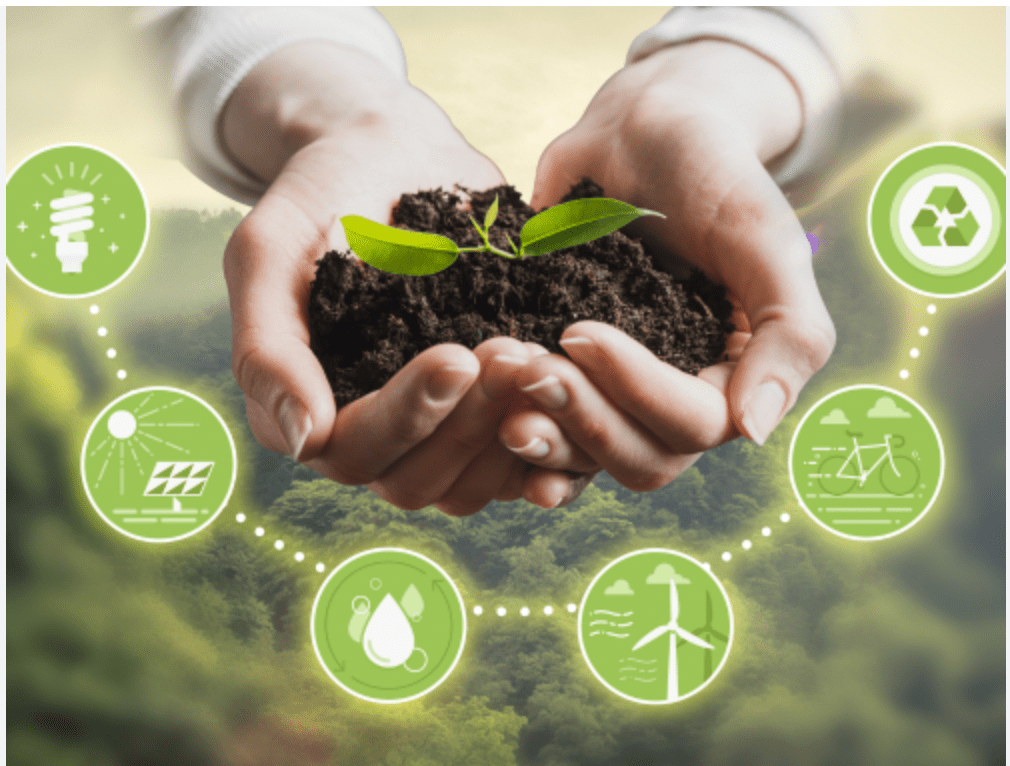
In today’s rapidly evolving world, the conservation of natural resources stands as a paramount concern. From dwindling energy reserves to escalating water scarcity, the need to preserve our planet’s finite resources has never been more pressing.
According to the International Energy Agency (IEA), global energy demand is anticipated to surge by 25% by 2040. However, embracing energy conservation measures could significantly alleviate this strain. The IEA estimates that improving energy efficiency in buildings and industrial processes could cut global energy demand by 15% by 2040. This reduction not only mitigates the pressure on finite energy sources but also curtails carbon emissions, combating climate change in the process.
Moreover, the World Resources Institute (WRI) warns that by 2040, global water demand could outstrip supply by a staggering 56%. Already, over 2 billion people reside in regions grappling with high water stress. Embracing water conservation practices is imperative to safeguarding this vital resource. Studies show that adopting efficient irrigation techniques and reducing water waste in agriculture could conserve billions of gallons annually, helping to mitigate water scarcity and ensure equitable access to clean water for all.
Additionally, land conservation plays a pivotal role in safeguarding biodiversity and ecosystem health. The loss of natural habitats, primarily due to deforestation, poses a significant threat to global biodiversity. Each year, an estimated 18 million acres of forest—an area roughly the size of Panama—are lost to deforestation. Conservation efforts, including reforestation initiatives and sustainable land management practices, are essential to preserving the rich tapestry of life on Earth. Resource conservation isn’t just an environmental imperative—it’s also an economic necessity. The United Nations Food and Agriculture Organization (FAO) estimates that by 2050, agricultural production must increase by 50% to feed a growing global population. Yet, expanding agriculture often comes at the expense of forests and natural habitats. By investing in sustainable land use practices and reducing food waste, countries can bolster their food security while minimizing environmental degradation and associated economic losses.
Lastly, the extraction and processing of minerals and other natural resources are not only resource-intensive but also generate substantial waste. Recycling and adopting circular economy principles offer viable solutions to mitigate resource depletion and environmental degradation. Studies suggest that increasing the global recycling rate to 70% could save over 700 million tons of CO2 emissions annually by 2050. Embracing a circular economy mindset not only conserves resources but also fosters innovation and economic growth.
In conclusion, the statistics underscore the undeniable importance of conserving Earth’s finite resources. By prioritizing energy efficiency, water conservation, biodiversity preservation, sustainable land use, and waste reduction, we can pave the way towards a more sustainable and resilient future for generations to come. The time for action is now, and it’s imperative that individuals, communities, businesses, and governments alike unite in the shared endeavor of resource conservation.
 Books For Branches Foundation
Leave a comment